Mid-Century Modern (MCM) offers a balanced design direction for metropolitan living—combining clarity in form, efficiency in layout, and warmth in material. For those evaluating interior concepts, MCM provides a cohesive framework that adapts well to modern spatial constraints while maintaining a distinct visual identity.
Spatial Clarity Through Elevated Forms
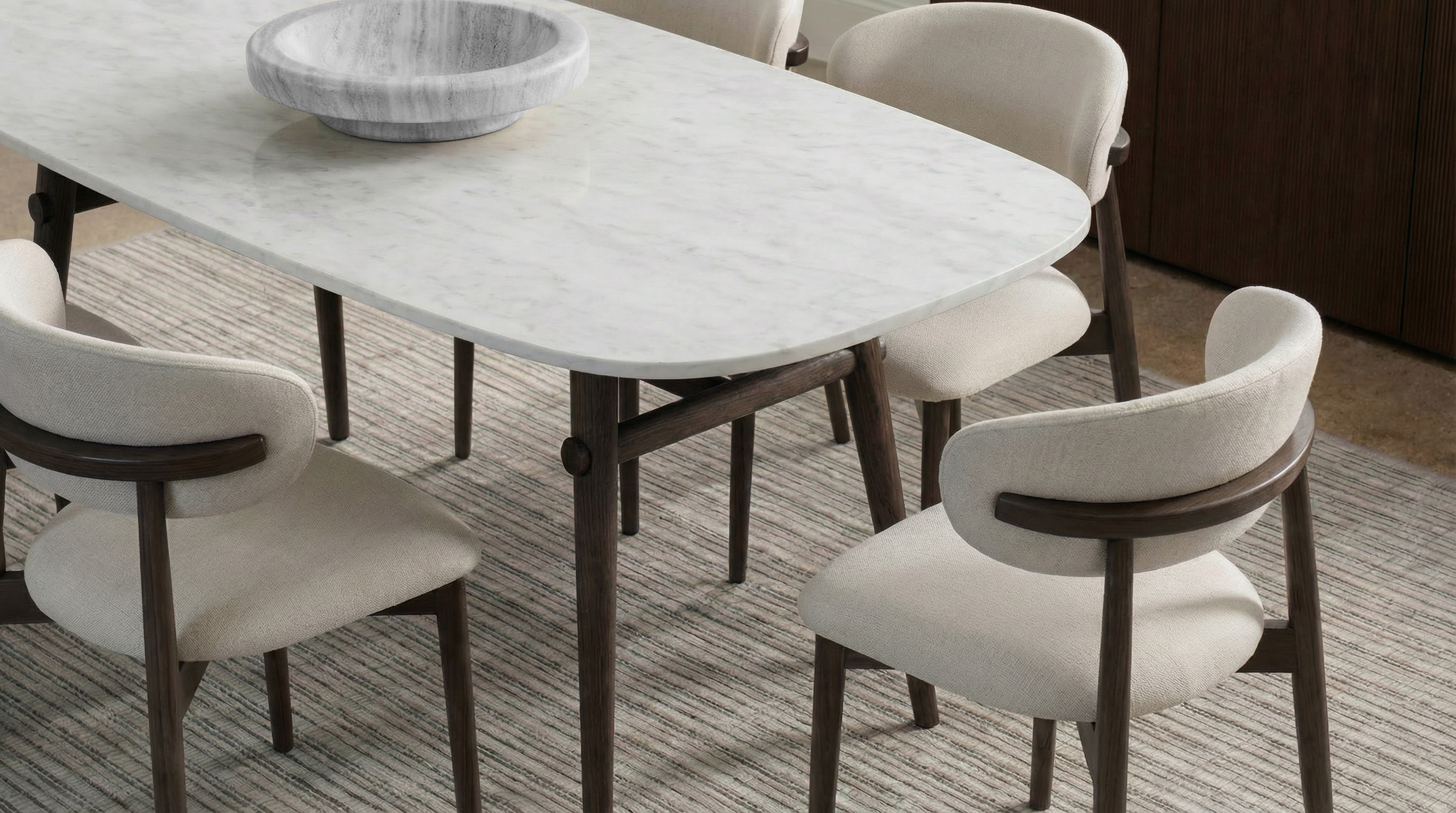
MCM furniture is characterized by raised structures and tapered legs, allowing visual continuity across the floor plane. This approach reduces visual weight and supports a more open, breathable layout—particularly effective in compact apartments or open-plan living areas.
Material Coordination and Visual Depth
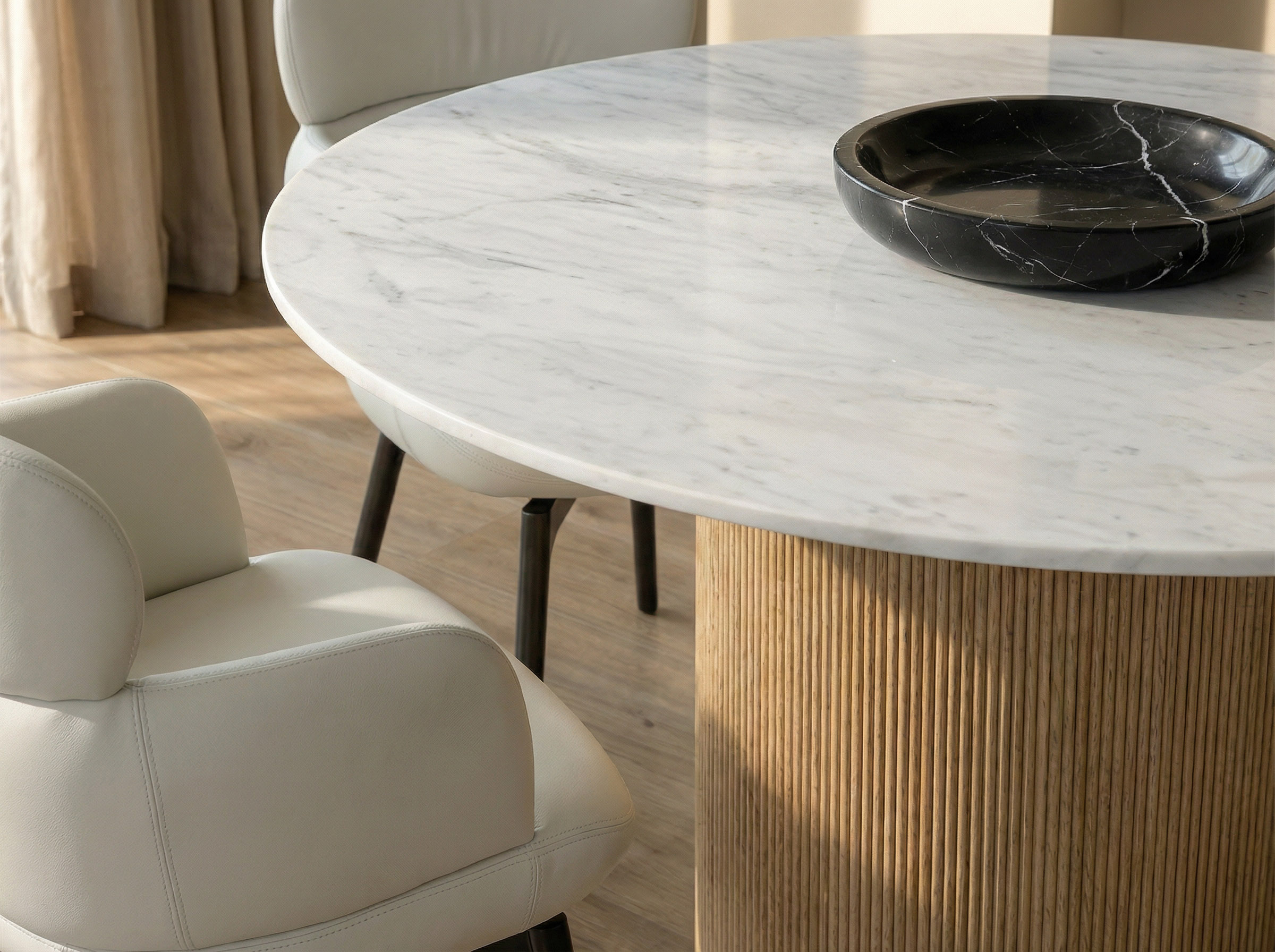
A key aspect of MCM interiors lies in the use of natural materials such as oak, walnut, and leather. These are often combined with subtle metal accents to create contrast without overwhelming the space. The result is a layered material palette that feels refined, consistent, and adaptable over time.
Structured Simplicity for Flexible Living
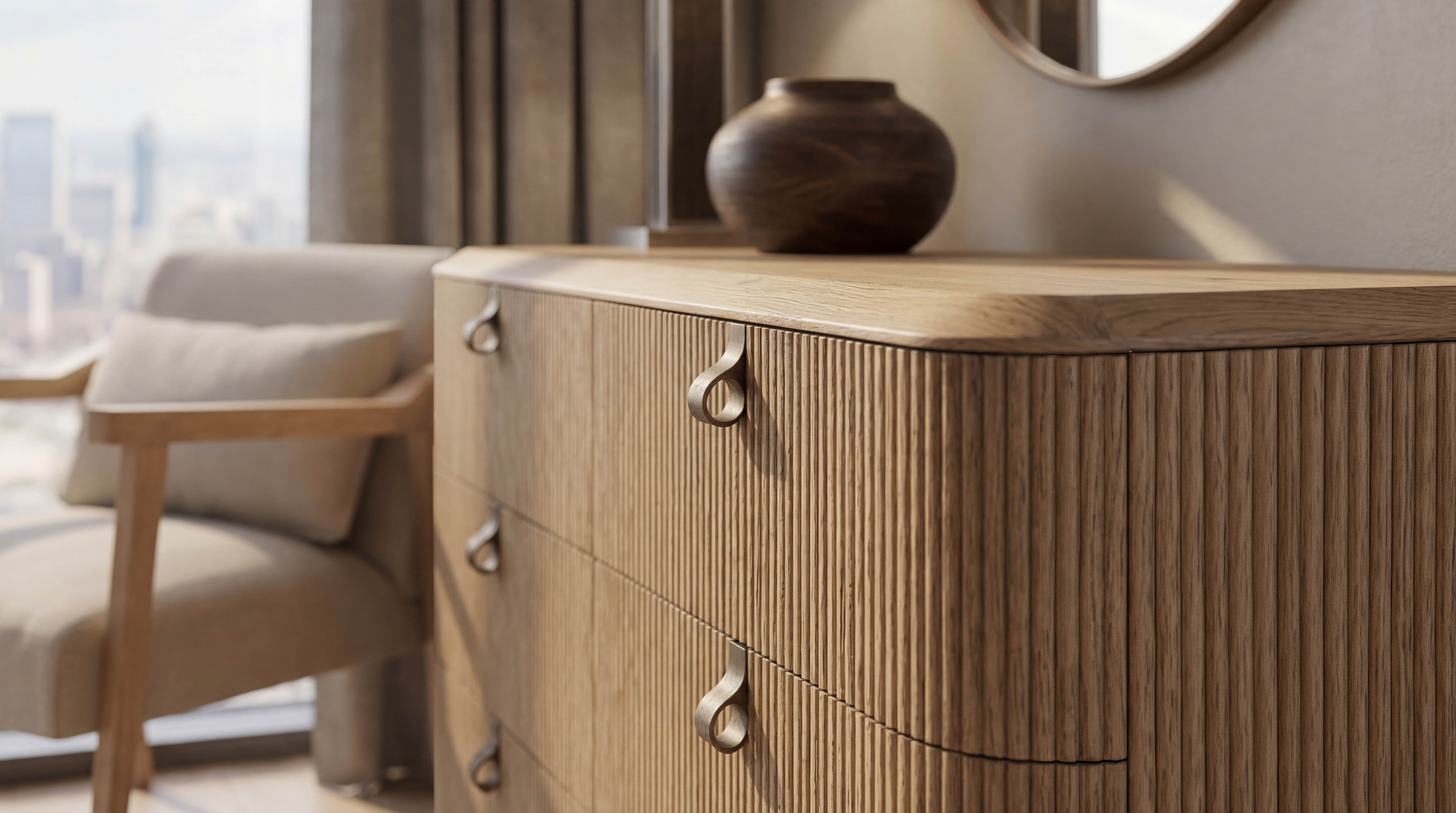
Clean lines and balanced proportions define the MCM aesthetic. This allows furniture to integrate easily with contemporary elements, including modern lighting and smart home technology. The simplicity of form ensures that spaces remain functional without appearing sparse or overly rigid.
Soft Geometry and Ambient Comfort
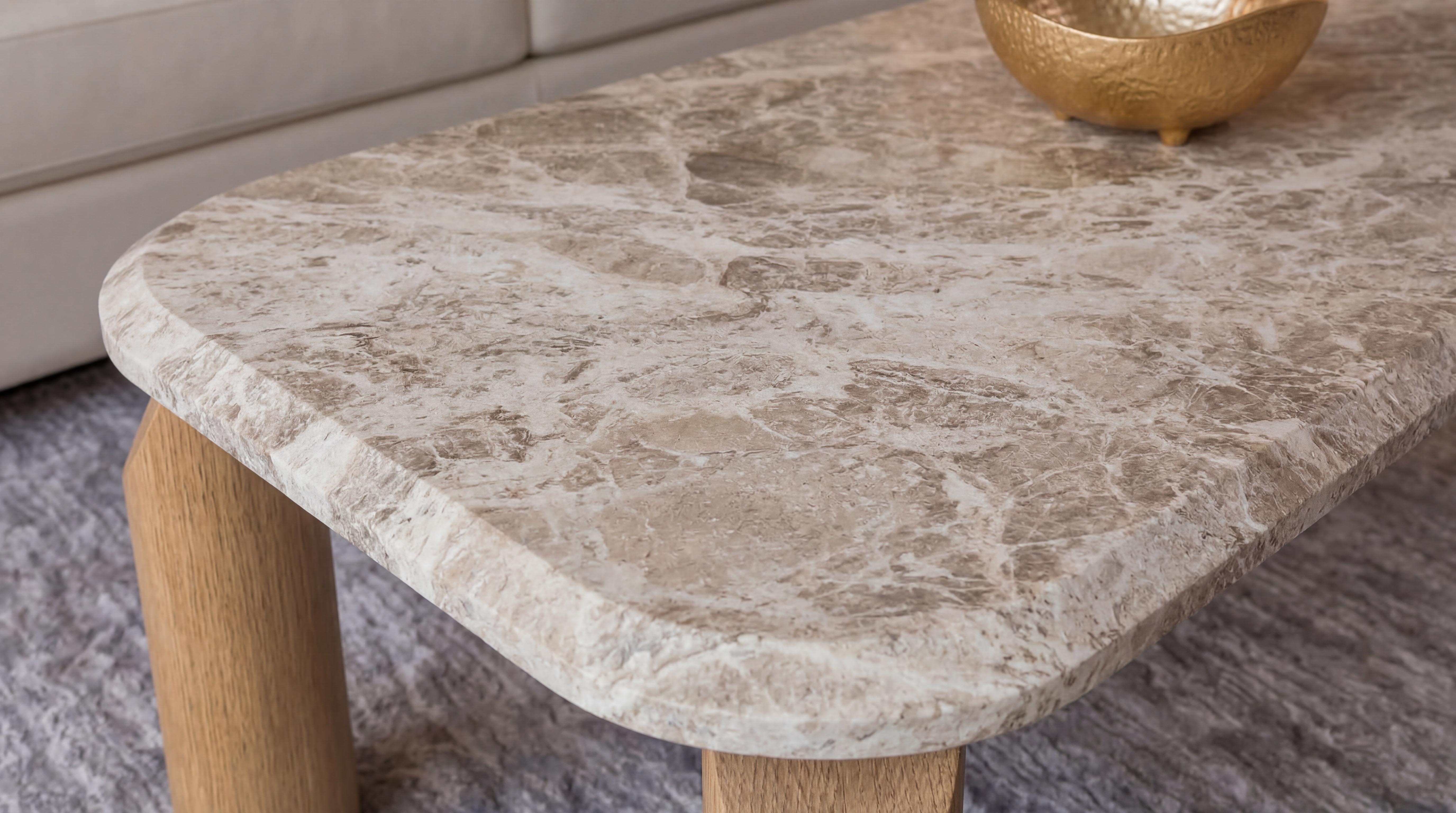
Unlike more austere minimalist styles, MCM incorporates gentle curves and organic silhouettes. These elements help soften the overall composition, contributing to a more approachable and comfortable environment—suitable for both daily living and social interaction.
Conclusion: Smart Living for the Modern City Home
Mid-Century Modern presents a measured and contemporary design solution. By emphasizing proportion, material authenticity, and spatial flow, it enables the creation of interiors that are both functional and visually composed—well-suited for modern lifestyles without excess or compromise.